This place is really good! The portions are good, the noodles are good. My issue is I’m not a big soup for a meal guy. That’s a me issue and not a Sobaya issue. This is probably some of the best soup I’ve had ever, but it’s just soup. Really good spot if you like soup and noodles though!
Overview
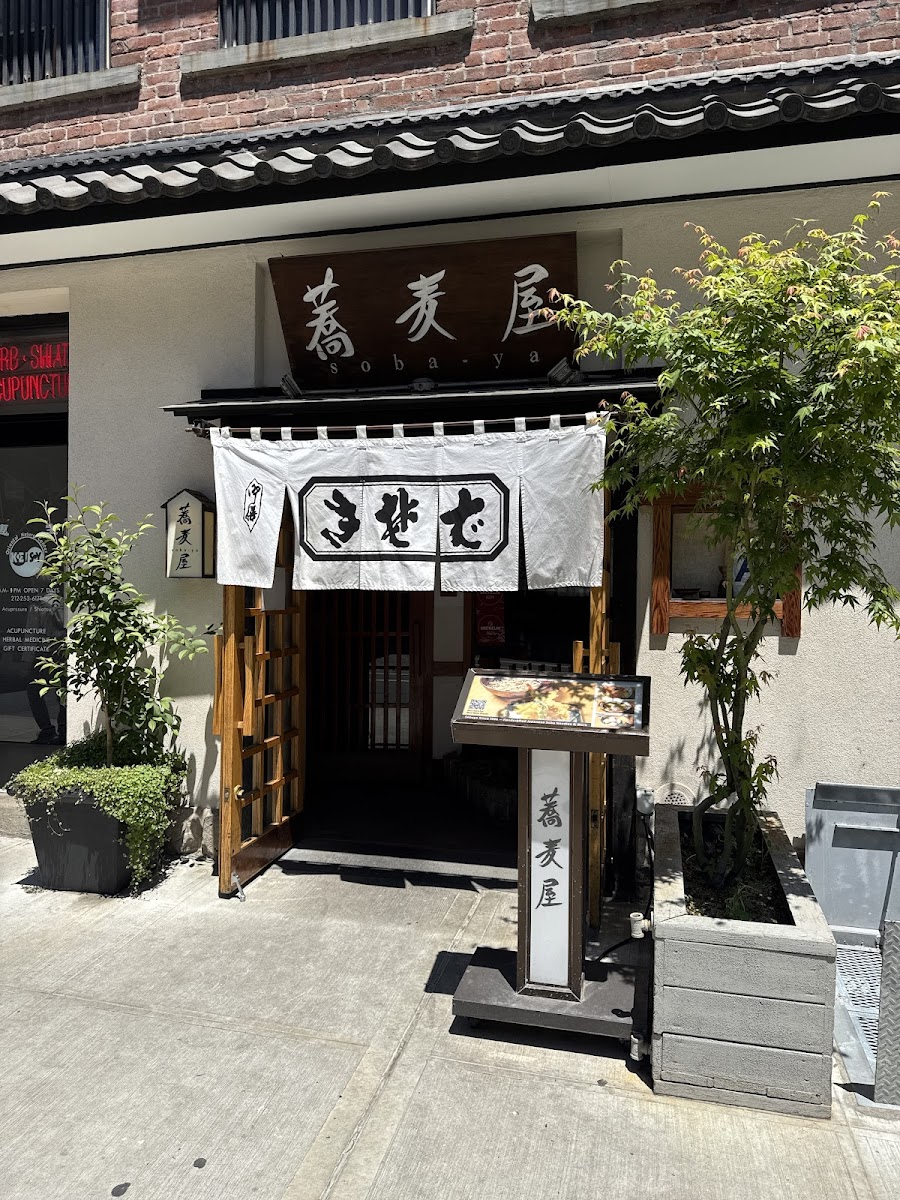
Walking into Sobaya on East 9th Street feels like stepping out of the East Village rush and into a quieter, more focused food ritual. The narrow dining room at 229 E 9th St, New York, NY 10003, United States hums with low conversation, the clink of ceramic bowls, and the faint aroma of toasted buckwheat. I first ate here years ago after a long afternoon of meetings, and what stood out immediately wasn’t just the flavor, but the calm confidence of the place. Nothing is rushed, and nothing feels showy. It’s a diner that knows exactly what it does well and sticks to it.
The menu centers on traditional Japanese soba noodles, made from buckwheat flour, and that focus matters. Buckwheat isn’t just a stylistic choice; according to data from the USDA, it’s naturally gluten-free and rich in fiber, magnesium, and plant-based protein. That nutritional profile explains why soba has been a staple in Japan for centuries, especially for meals meant to be satisfying without feeling heavy. At Sobaya, the noodles are made in-house, and you can taste the difference. The texture has a gentle bite, and the flavor is nutty and clean, especially in the cold soba dishes where nothing hides behind heat.
One of my go-to orders is the cold soba served with dipping sauce, scallions, and wasabi. It’s simple on paper, but the process behind it is precise. The noodles are cooked briefly, shocked in ice water to lock in texture, then drained carefully so they don’t dilute the sauce. That attention to method is something chefs from organizations like the Japanese Culinary Academy often emphasize when talking about traditional noodle craft, and it shows here. On colder days, the hot soba options shine just as much, with broths that are light but deeply savory thanks to kombu and bonito.
Beyond noodles, the menu includes small plates that round out the experience. The duck dishes are a standout, especially paired with soba, and the tamagoyaki has that slightly sweet, layered softness that’s hard to get right. I once brought a friend who claimed they weren’t a noodle person, and halfway through the meal they admitted the flavors felt comfort food without the food coma. That reaction is common in reviews, where diners often mention leaving satisfied but not sluggish.
Sobaya’s reputation isn’t accidental. The restaurant has been recognized in past editions of the Michelin Guide with a Bib Gourmand mention, which highlights quality cooking at reasonable prices. While awards don’t guarantee a great meal, they do reflect consistency, and consistency is where this place excels. Online reviews frequently note the knowledgeable staff, especially when it comes to explaining soba varieties or suggesting sake pairings that won’t overpower the food.
There are a few limitations worth noting. Seating can feel tight during peak hours, and if you’re expecting a broad menu with lots of substitutions, this may not be your spot. The kitchen stays true to tradition, which means less flexibility for drastic modifications. That said, the staff is usually upfront and helpful about dietary concerns, and the focus on buckwheat naturally works well for many gluten-sensitive diners.
In a neighborhood packed with constantly changing locations, Sobaya feels grounded. It’s the kind of restaurant you return to not for novelty, but for reliability and craft. Each visit reinforces the sense that you’re eating food made by people who care deeply about doing one thing well, and doing it the same way every time.
Good to know
From the business
✓ Identifies as women-ownedService options
✓ Delivery ✓ On-site services ✓ Takeaway ✓ Dine-inHighlights
✓ Fast service ✓ Great tea selection ✓ Serves local specialtyPopular for
✓ Lunch ✓ Dinner ✓ Solo diningAccessibility
✓ Wheelchair-accessible entrance ✓ Wheelchair-accessible seating ✓ Wheelchair-accessible toilet ✓ Wheelchair-accessible car parkOfferings
✓ Alcohol ✓ Beer ✓ Cocktails ✓ Comfort food ✓ Small plates ✓ Spirits ✓ Vegetarian options ✓ WineDining options
✓ Lunch ✓ Dinner ✓ Dessert ✓ Seating ✓ Table serviceAmenities
✓ ToiletAtmosphere
✓ Casual ✓ Cosy ✓ TrendyCrowd
✓ Family friendly ✓ Tourists ✓ University studentsPlanning
✓ Accepts reservations ✓ Usually a waitPayments
✓ Credit cards ✓ Debit cards ✓ NFC mobile paymentsParking
✓ Paid parking lot ✓ ParkingPhotos
1 / 4
Location
Reviews
- No ratings yet 1169 reviews
As expected, the place was quite busy due to the hot weather. Watching a video of soba being made while waiting helped ease the boredom, and the food itself wasn’t bad. The tempura was crispy and tasty, but the dipping sauce for the soba was a bit too salty, and overall, the soba wasn’t particularly more flavorful compared to other soba places. Considering how busy the restaurant was, the staff seemed understaffed. The team was moving around busily, but things didn’t seem well-organized, making their efforts appear somewhat inefficient. The host also came across as unfriendly. Rather than repeatedly telling every guest, “Can I put my name on the waitlist?” and “Just wait here,” it would probably be less frustrating for everyone—and easier for the staff—if they used a proper waitlist system like many other restaurants do. It felt like a missed opportunity to improve both customer experience and staff workflow. One staff member was clearing tables, wiping surfaces, handling new napkins, chopsticks, and cups, and then using the same hand to scoop ice from the ice bin and serve drinks—all without taking a single moment to sanitize or wash their hands. It definitely didn’t feel hygienic or sanitary. When I first received my food, something felt off. I noticed that the dishes were placed upside down on the tray, so I had to rearrange them myself. I understand they might have been busy, but it really showed how unprofessional the service was.
I’ve gone to Sobaya even before their Michelin credentials. I was recommended here by a family member and recently rediscovered it while doing some solo-exploring. I always grab their daily lunch combo as it gives you a bang for your buck. (If you’re a college student in the area, you’d be a fool not to give this place a chance.) Both hot and cold soba options are solid (my brother prefers cold, I like hot) and we adore their dons. There was one time I found something wrong with my order and they were so apologetic- immediately replacing my dish with a fresh one. I was happy to receive a fresh one (tempura deliciously hot out of the frier) and finished. That’s when they gave me a free green tea crème brûlée for my troubles. They didn’t have to do that, but they were so kind and profusely apologizing for the earlier blunder that I couldn’t help but tip well and applaud their service. My water was never empty! All the food was delicious. Not too salty, not too sweet, but just right. Love Sobaya and will definitely keep coming back :)
Finally got around to coming here for the lunch special I chose the eel with cold soba noodles. Honestly, i would be happy eating a lunch set everyday. This was a perfectly balance meal and got me the right amount of full. The eel was fatty and super flavorful, the dipping sauce for the cold noodles was okay tasted like a variation of soy sauce. My friend got the hot soba which i would recommend eating quickly as the noodles become soggy. Lastly, the green tea was amazing!! Would deff come pack the place was busy around 1 and then at 2/3 became extremely empty.
First time going today this spot is good I like the style , a nice menu I went for there lunch special my friend introduced me to this spot and I really enjoyed it. The food is good as well. I am adding it to my list , i recommend
Holy crap! This place was so good. We stopped in on the way and we're just blown away by how authentic and tasty the food was. The chicken nanban was one of the best things I've ever eaten. And the rice bowls looked so good. Definitely stop by and try this! I also really loved their hot green tea
Didn’t expect to enjoy this experience so much! Very kind service and super accommodating. I love the ambiance too! But mostly, the food. Truly the type of a meal you’d get in Japan. High quality soba and fish. Spotlight on lunch menus — great value!
Great soba noodles and goma ae! The duck is a little overcooked for my taste, but the broth is delicious